
1What are the Skool Games?
The Skool Games are a contest that Skool, the community platform, runs for people who own a paid group on it. It is free to play.
Each round lasts about one quarter. The goal is to grow your MRR the most in 90 days. MRR means monthly recurring revenue, the money your members pay you every month.
Players also get a free Skool Games group with weekly live Q&A calls, simple steps for starting a business, and a free Skool software subscription that normally costs $99 a month.
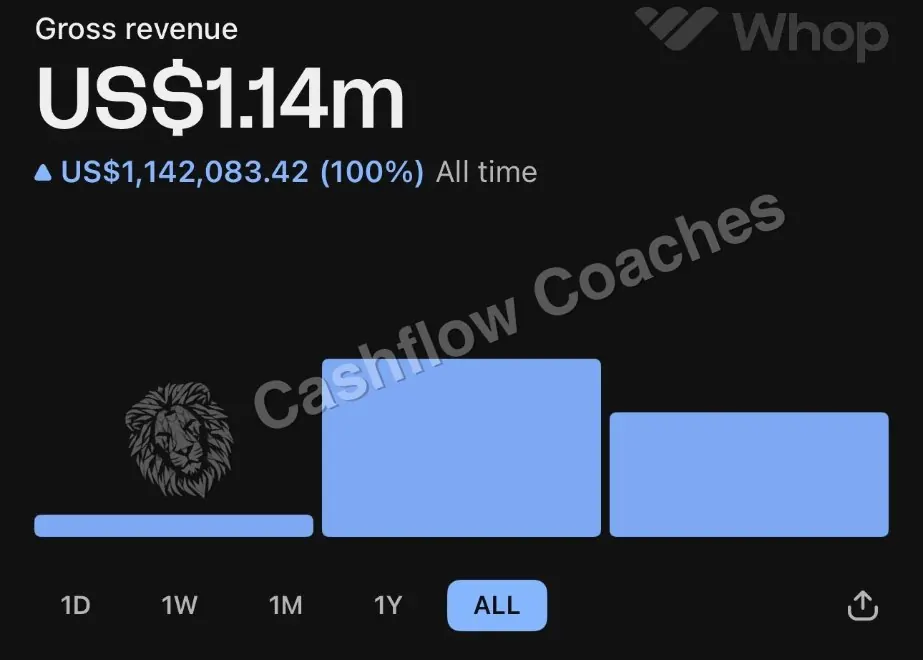 $1.14M all timeOne community business
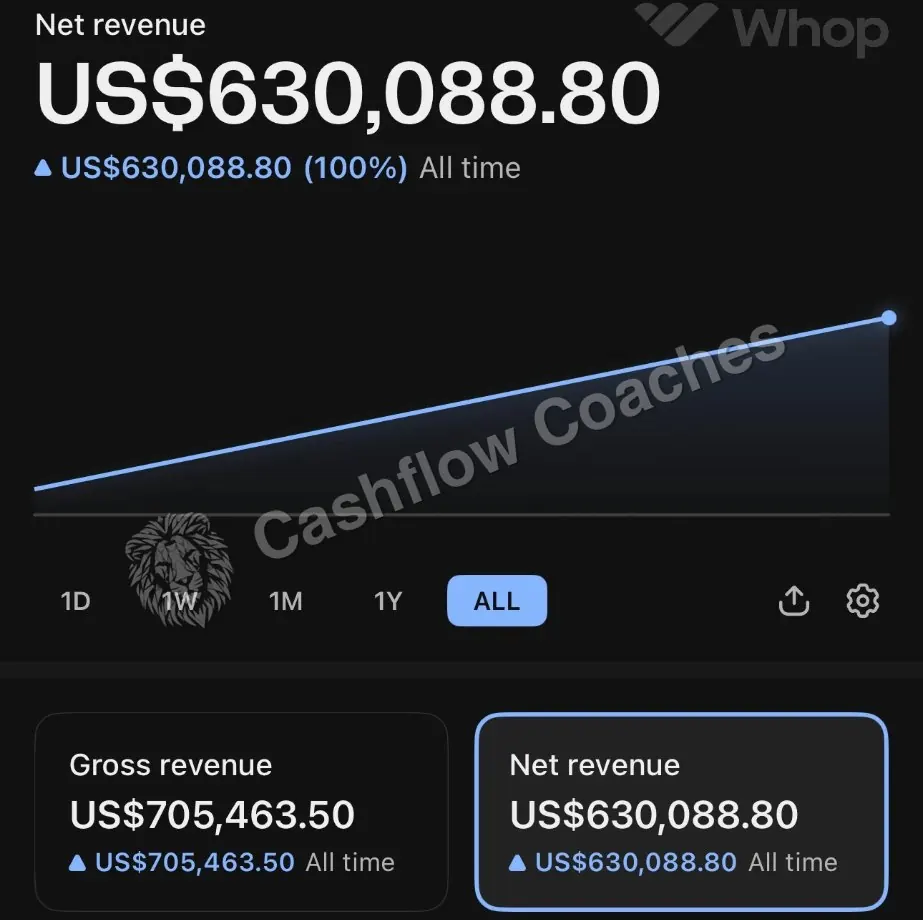 $630,088 net revenueAll time, one offer
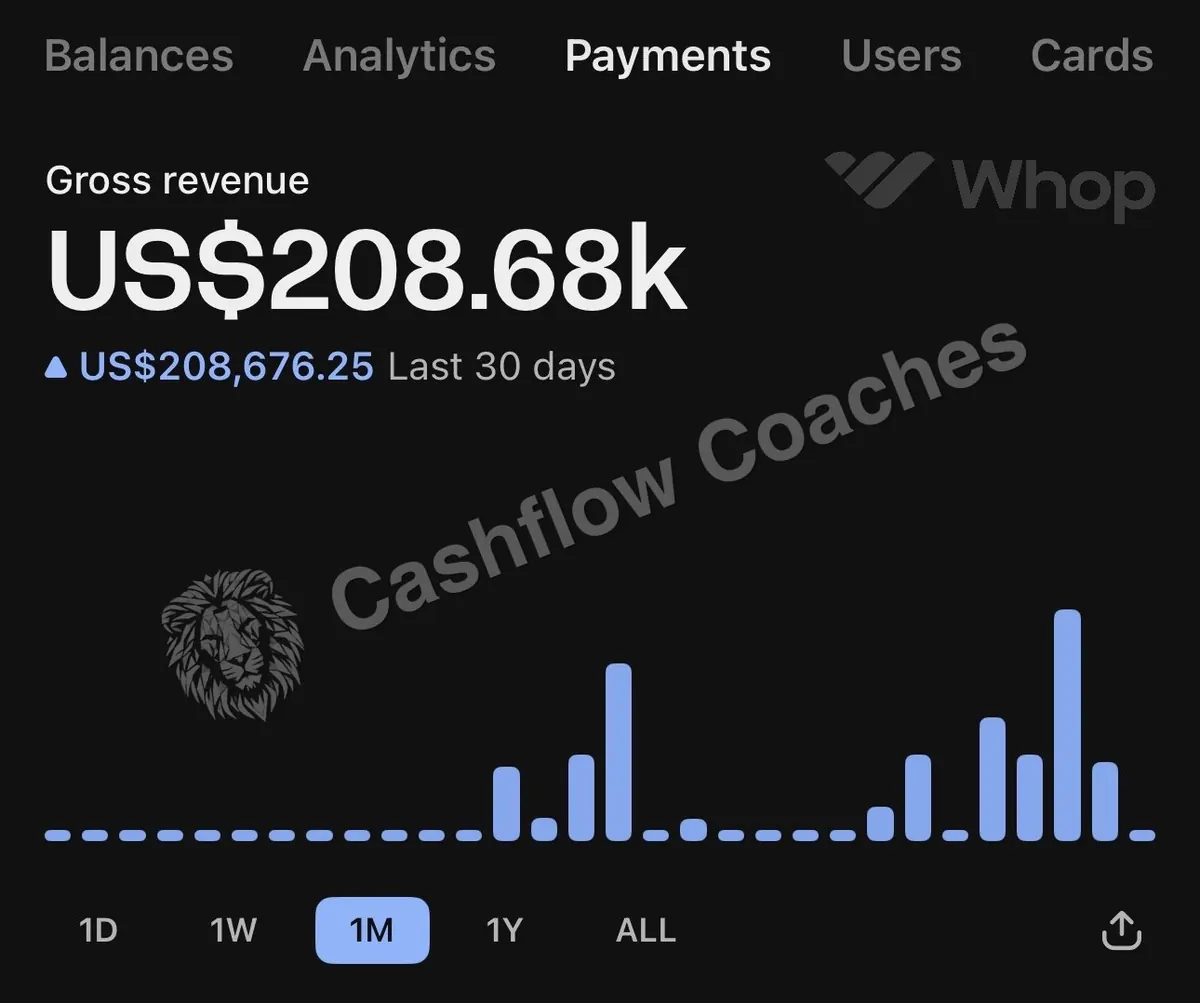 $208.68K in 30 daysOne month of payments
Real screenshots from our clients and our stories. Not typical.
2What are the Skool Games rules?
- It is free to play. You need a paid group on Skool to score.
- Each round is one quarter, about 90 days. Skool posts the exact start and end time.
- You rank by MRR Growth. That is the new monthly revenue your group added since the round started.
- Each member counts up to $100 a month, or $1,200 a year. Charge $175 and only $100 counts.
- Yearly plans count as the yearly price divided by 12.
- Only new members count. Members who leave and rejoin do not.
- One-time course sales do not count. Only recurring money does.
- Refunds come off your score.
- The leaderboard is members-only. It shows MRR Growth, total MRR and the last 7 days.
- Top finishers win prizes. Skool lists an all-expenses-paid trip to Skool HQ and a monthly 1-day mastermind in Las Vegas.
Sources: Skool Games Leaderboard FAQ, theskoolgames.com and the Skool Games group, all checked 23 October 2026. Skool did not list cash prizes when we checked. Rules can change each round.
3How does Skool Games scoring work?
Your score is the new monthly money your group added this round, after refunds and cancels.
More new paying members and a higher counted price move you up. A refund or a cancel takes that member's money back off the board.
| What happens | Counts? | How |
|---|---|---|
| New member, monthly plan | Yes | Up to $100 a month |
| New member, yearly plan | Yes | Yearly price divided by 12, up to $1,200 a year |
| Price above $100 a month | Part | Only the first $100 counts |
| Member who left and rejoined | No | Only new members count |
| One-time course sale | No | Only recurring money counts |
| Refund | Minus | Takes money off your MRR Growth |
4How many members does it take to climb the leaderboard?
Skool doesn't publish what score wins a round. Members can see the live leaderboard inside Skool. What you can work out today is how many new paying members a goal takes at your price.
| Your price | Counted | For $1K | For $5K | For $10K |
|---|---|---|---|---|
| $29 a month | $29 | 35 | 173 | 345 |
| $49 a month | $49 | 21 | 103 | 205 |
| $99 a month | $99 | 11 | 51 | 102 |
| $149 a month | $100 | 10 | 50 | 100 |
| $697 a year | $58.08 | 18 | 87 | 173 |
Rounded up. Charging more than $100 does not raise your score, but it can still help your business. See section 9.
5What did a two-time winner actually do?



With 327 followers, Ansh had to win with strangers. The system that brought them in has six parts, and his team builds the same one for clients today:
- An offer people already want. The Games reward paying members, so the paid group has to be worth paying for.
- A funnel. A clear path from a stranger to the group's About page.
- Follow-up. New people hear from you fast, by message or call.
- Booked calls. The most serious members get a call about the bigger offer.
- Closers. Someone whose job is to take those calls.
- One screen with every number. So you know each day what is working.
After the Games he started Cashflow Coaches to build that system for others. His team has since scaled 350+ Skool communities. Not typical.
6Skool Games winners and the leaderboard: what do winners do?
The leaderboard ranks groups live by MRR Growth, so you can see who is winning as it happens. Members can watch it inside Skool. Recent winners are also tagged on their groups in Skool's Discovery page.
The winners we see promise one clear result to one type of buyer, and their feed fills with member wins that sell the group.
- They seed the group first. Groups that reach three members are twice as likely to succeed, so invite three friends or past clients before strangers arrive.
- They chase regulars. The goal is about 10 true regulars, which can take a few hundred members to find.
- They reply more than they post. Some owners spend about nine times more effort on reading and replying than on new posts.
- They show up daily. At one Games winners' event, about a third of the room said daily live streams on short-video apps were how they won.
- They turn members into recruiters. Many groups get 20% to 40% of members from member referrals.
- They talk to new members. Common moves: a free welcome call for every new member, a short video series inside the group, a weekly live call, and DMs to anyone who comments. Our Skool setter scripts have the exact words. Want the whole member engine built? See if you qualify.
| Skool number | Benchmark |
|---|---|
| About page visitors who join | about 20% for free groups, about 4% for paid |
| Average paid membership | about $50 a month |
| Members who stay each month | about 80% on average; 90%+ is best; 70% or less is weak |
| Churn by how long they've been in | about 20% in months 1 to 3, 10% or less by day 90, 2% or less from month 6 |
| Members found through Skool's own search | about 27% |
| Yearly plan | about a 17% discount, with lower churn |
| Cost per booked call, group funnel | from about $250 down to about $40 |
A member who cancels in week three comes off your Games score, so winners build a first win into the first seven days.
7Is the Skool Games legit?
Yes. Skool runs it, and the rules are public in Skool's help center. It is free to play, the score comes from real payments on Skool, and refunds come off the board.
| Good | Limits |
|---|---|
| Free to enter, with weekly live Q&A | You still pay for your own group plan and traffic |
| A hard 90-day deadline makes you move | Prices above $100 a month are not fully counted |
| Real money scoring, not likes | Most players will not place. The prize is your business. |
Is the Skool Games worth it? If you already have something to sell, yes. The round gives you a deadline and a crowd. If you have no offer yet, fix that first. A leaderboard will not save an offer nobody wants.
See If You Qualify
Bring your score from the readiness scorer. We will look at your group and your offer together and tell you what we would fix first.
8Skool Games readiness scorer
9Should you charge more than $100 a month?
For the leaderboard, no. Only the first $100 a month of each member counts.
Made-up example: 50 new members.
If the round is the goal, a price between $50 and $100 a month gives the most counted growth per member. If the business is the goal, keep your real price and treat the round as a deadline that makes you move fast.
1030-day plan builder
Visits assume a 4% About page join rate for paid groups.
11Worked example: Priya doubles her visits
Made-up example. Priya is a fitness coach. She runs a paid Skool group at $49 a month and joins a 90-day round.
| Line | The maths | Result |
|---|---|---|
| About page visits a week | From her posts | 150 |
| New paying members a week | 150 × 4% | 6 |
| New members in the round | 6 × 13 weeks | 78 |
| Kept after refunds and cancels | 78 × 90% | 70 |
| MRR growth counted | 70 × $49 | $3,430 |
She keeps her price. She changes one thing: a 30-minute live stream every day that ends with a link to her About page. Her visits go to 300 a week.
- 150 visits a week
- 78 new, 70 kept
- $49 counted each
- 300 visits a week
- 156 new, 140 kept
- $49 counted each
Made-up example. Same price and group.
12Can you make money on Skool?
Yes. The best groups are a front door to a business. A free group brings people in, a paid tier earns every month, and the most serious members book a call for a bigger offer.
One client of ours, John Duda, sells funding education. The free group reached 23,403 members, and 659 pay $697 a year for the paid tier. Read the full case study. Not typical.
For the full playbook, read Skool communities. For costs, read Skool pricing. For the platform itself, read our Skool review. If you want the system built for you, see Skool community growth.
13What to do this week
- Run the readiness scorer. Fix the line it names first.
- Build your 30-day plan above and copy it into your calendar.
- Send every new member this message within a day. A member who replies is far less likely to cancel in week three and come off your score.
Hey [name], welcome in! Glad you're here.

Start with the first lesson in the Classroom. It takes 20 minutes and gets you [first win].

Quick question so I can help: what is the one thing you most want from the group in the next 30 days?
Reply to every answer yourself for the whole round. When someone asks how to go further, that is your cue to offer a call. Get the Skool community launch plan Claude skill to plan the About page, the first-week win and your daily posts for the round with Claude. If members join but leave, find the exact bottleneck in your business.
Find the exact bottleneck in your business
Frequently asked questions
What are the Skool Games?
The Skool Games are a free, recurring competition run by Skool. Paid Skool groups compete to add the most new monthly recurring revenue in a 90-day round, ranked on a members-only leaderboard. Top finishers win prizes, including an all-expenses-paid trip to Skool HQ.
What are the rules of the Skool Games?
Rounds last one quarter. You rank by MRR Growth, the new monthly revenue added since the round started. Each member counts up to $100 a month or $1,200 a year, yearly plans are divided by 12, only new members count, one-time course sales do not count, and refunds come off your score.
Is the Skool Games legit?
Yes. Skool runs it and publishes the scoring rules in its help center. It is free to play, and the score comes from real payments on Skool. You still pay for your own group plan and any traffic.
How do you win the Skool Games?
Add more new paying members than anyone else, at a counted price of up to $100 a month, and keep them. Winners usually promise one clear result, show up on one channel daily, give new members a first win in their first week, and message every new member so fewer cancel.
Is it free to join the Skool Games?
Skool says the Games are free to play, and players get a free Skool software subscription that normally costs $99 a month. You need a paid group on Skool to score.
Does a group that charges over $100 a month count?
Yes, but only $100 a month of each membership counts toward your score. If you charge $175 a month, the leaderboard counts $100. A yearly plan counts as the yearly price divided by 12, up to $1,200 a year.
Do one-time course sales count in the Skool Games?
No. Skool says one-time course sales do not count. Members who leave and rejoin do not count either. Only new recurring members count, and refunds take money off your MRR growth.
Who has won the Skool Games?
Skool shows each round's leaderboard to members inside Skool, and recent winners are tagged on Skool's Discovery page. Anshjeet Singh, founder of Cashflow Coaches, has won twice. He placed top 10 out of 87,000+ entrepreneurs with 327 followers and zero ad spend.

$10M+ in client results. I run Cashflow Coaches, a done-for-you marketing, sales, operations and tracking agency. We handle everything from paid ads, funnels, webinars, VSLs and Skool communities to setters, closers, ops and tracking. Two-time Skool Games winner.
Bring your group and your numbers to the call.
We look at your offer, your Skool group and your numbers, and map the funnel, follow-up and sales team that would bring in new members every week. If you are not a fit, we tell you what to fix first.
Book your callKeep reading: Skool communitiesSkool community growthSkool pricingSkool reviewCase study: 23,403 free and 659 paid membersScale a coaching businessAppointment setter scriptsFind your bottleneck (quiz)About AnshjeetHome
Priya is a made-up example. Her numbers show how the maths works and are not a client result. Skool Games rules are from Skool's help center and Games pages, checked on 23 October 2026, and can change each round. Benchmarks on this page are what other operators report. They are not Cashflow Coaches results and not a promise. Every real result on this page is a past result. None of them is typical. Cashflow Coaches is not part of, or endorsed by, Skool.