
| Role | Who they call | What they hand on |
|---|---|---|
| SDR | A cold list they did not ask to hear from you | A short first call or a booked sales call |
| MDR | Inbound leads your marketing brought in | A booked sales call |
| Setter | Inbound leads in a call funnel (the coaching word for an MDR) | A booked sales call with a closer |
| BDR | Partners, affiliates and joint ventures | A deal that sends you leads |
| Closer (AE) | People the SDR or setter booked | A sale |
1What does a sales development representative do?
An SDR starts conversations so your closer does not have to. They call, text and email people, find out who is a fit, and book the fits onto a closer's calendar. They do not sell the offer. Their job ends at a booked call that shows up.
The names get mixed up. An SDR works a cold list, an MDR works inbound leads from marketing, and a BDR works partners and affiliates. In coaching and consulting, most people say "setter" for the inbound version. Same job, different word. Our guide to hiring appointment setters covers that side in detail.
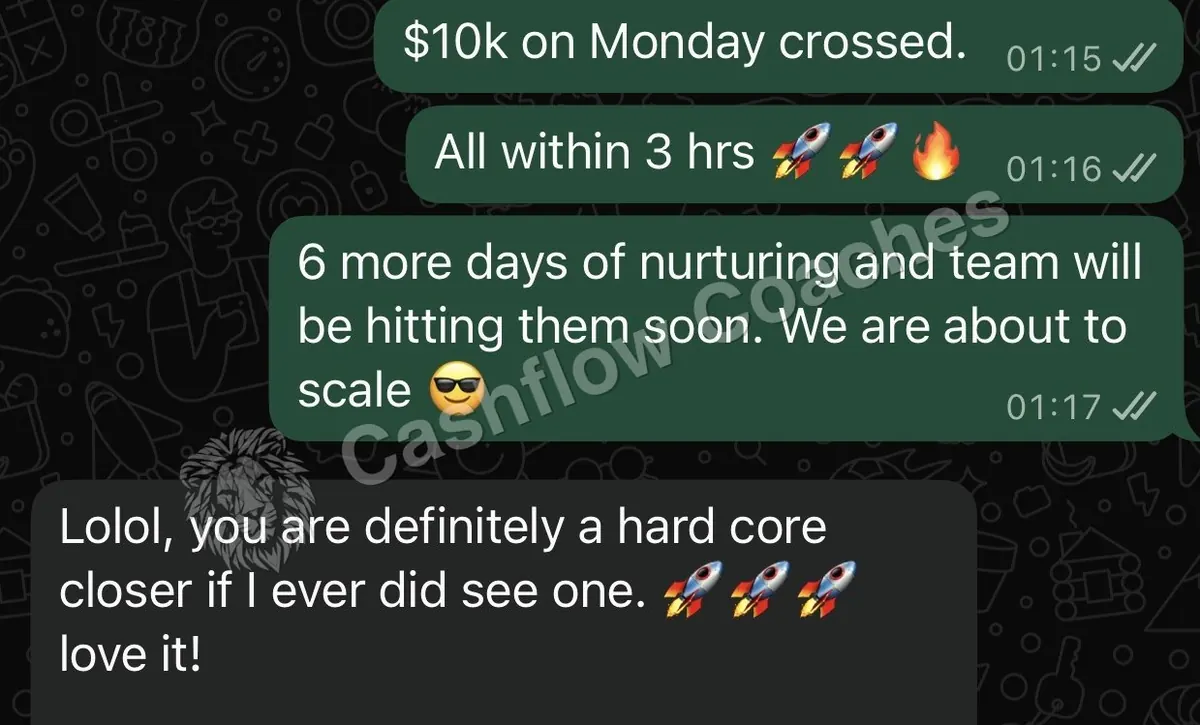 $10K in 3 hoursA client's closer, Monday morning
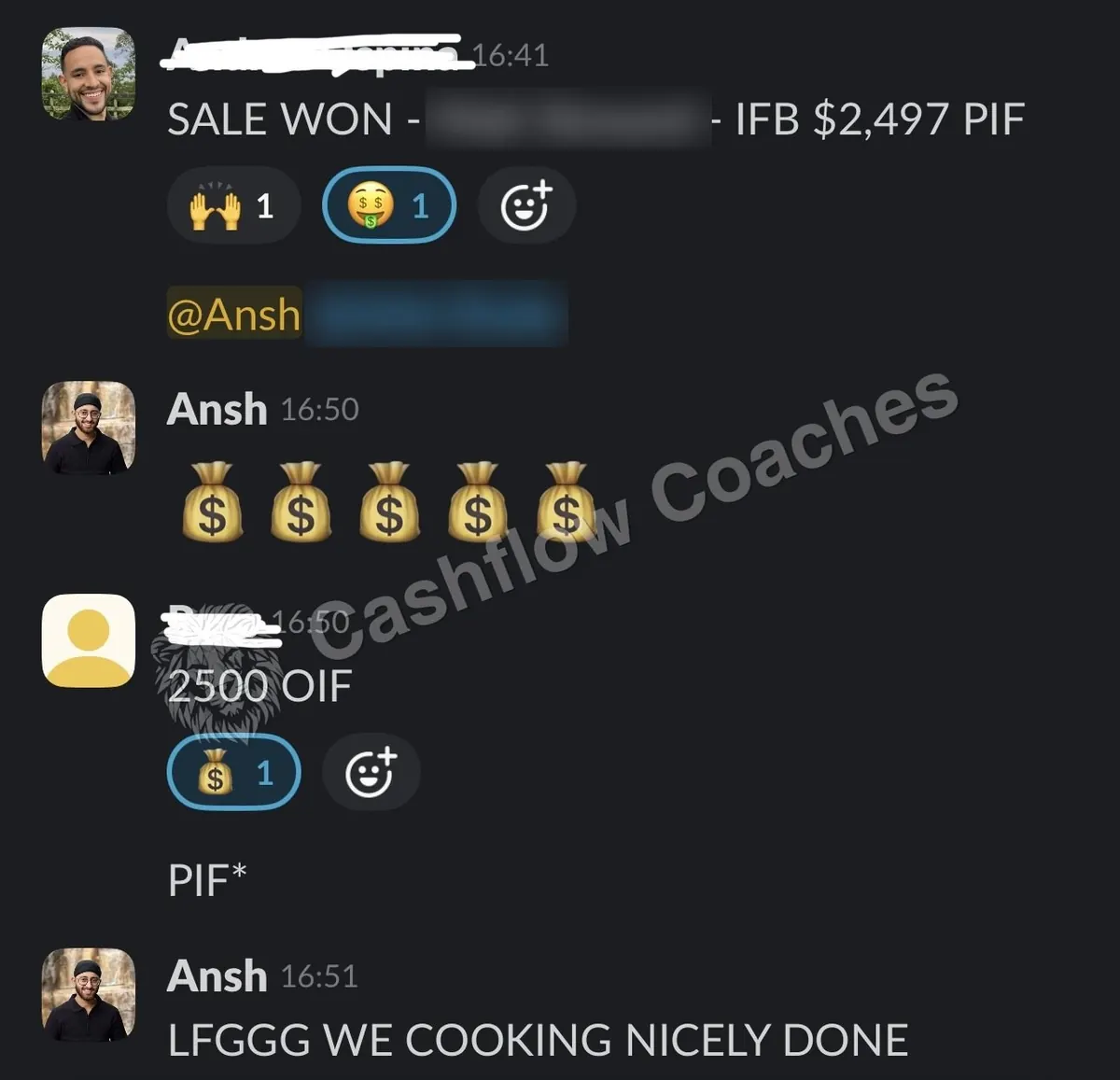 $2,497 paid in full"Sale won" in the team channel
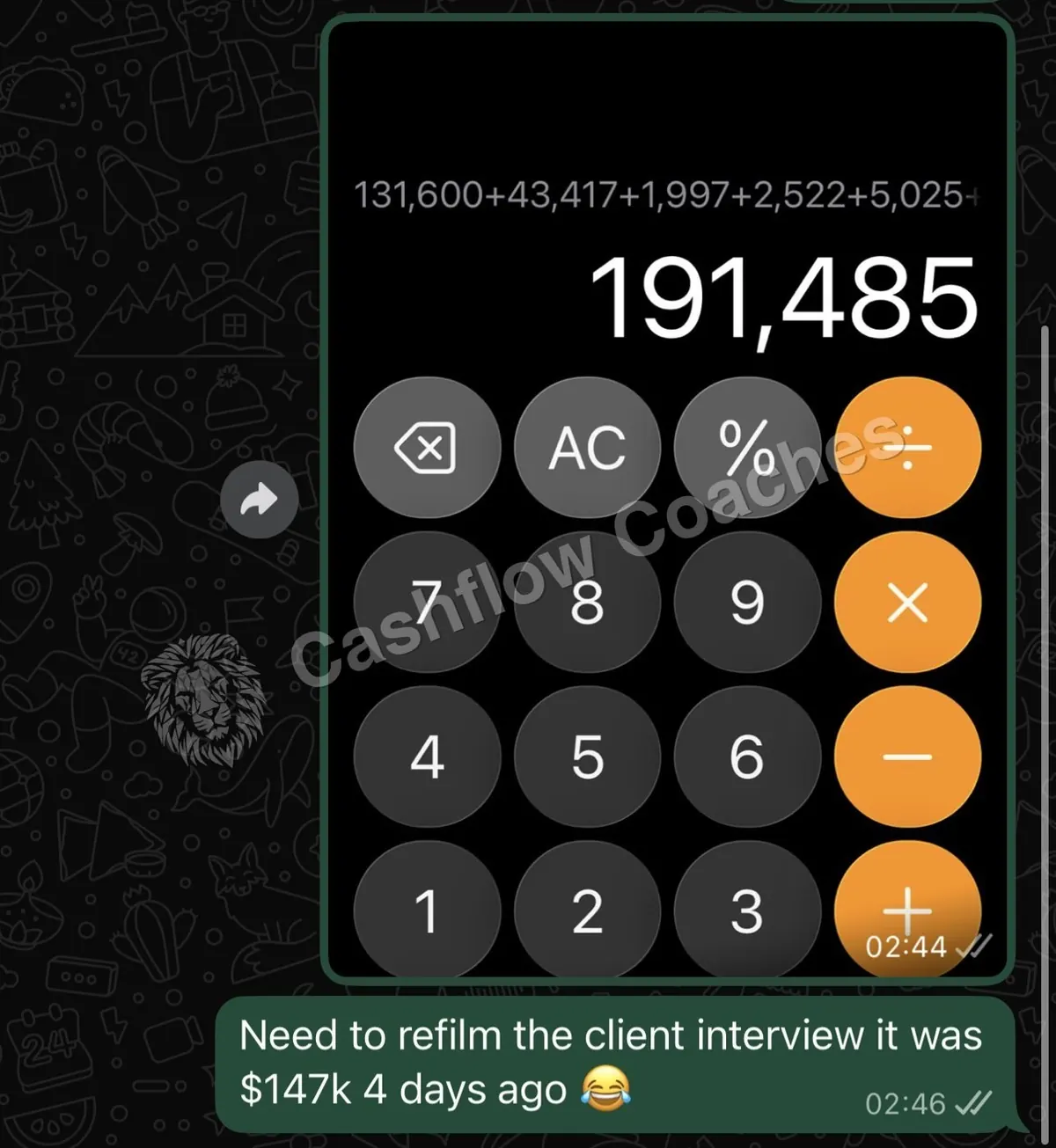 $191,485 for the month$147K of it in 4 days
Real screenshots from our clients and our stories. Not typical.
2Inbound vs outbound SDRs: which one does your business need?
- Leads come from ads, content or a webinar
- Speed matters most: call within five minutes
- Easier to hire for, easier to measure
- Right for most coaches and consultants at $20K+ a month
- Leads come from a list you built or bought
- Volume matters most: many dials per booked call
- Harder to hire for, slower to ramp
- Right for B2B offers with large contracts
Run them as separate teams. Keep outbound and inbound reps apart, with different pay, because inbound leads cost money and should go to the best people. Moving from outbound to inbound becomes a promotion.
Be careful with outbound to small businesses. Firms selling SDR outbound to small businesses rarely get past $2M a year, because the cost per meeting eats the margin. If your clients pay you less than about $3,000 a month, inbound is usually the better first hire. For the channel choice, see B2B lead generation.
3How many SDRs do you need, and what does a booked call cost?
Most owners hire by feel. Work it out instead. Watch what each SDR takes home: that number decides whether good people stay.
One setter tops out at about 90 to 120 booked calls a month, because a work week only has so many hours. On a VSL funnel with an opt-in, many start at about 800 opt-ins per setter a month and add a setter only when that number climbs.
The most common mistake is the opposite one: too many SDRs on too few leads. A common sight: four setters each getting about 200 leads when the funnel only supports one. Each of them earns less, the good ones leave, and the owner decides SDRs do not work.
4What is a good SDR pay structure?
Pay for calls that show, plus a share of the cash those calls bring in. Many operators pay setters per call that shows, never per call booked, because a booking that never shows costs you a closer slot and earns you nothing.
| Plan | How it works | Use it when |
|---|---|---|
| Draw, then commission | A $4,000 to $6,000 monthly draw for 60 days, then 3% to 5% of cash from closed sets | You are hiring your first SDR and the numbers are still new |
| Base plus commission | A $3,000 to $4,000 base plus 2% to 4% of cash from closed sets | You have steady lead flow and a known close rate |
| Base plus per show | A base, plus a flat bonus for each call that shows | Show rate is your weak spot |
Aim for real take-home pay. Operators commonly report setter earnings of $5,000 to $12,000 a month, from about $4,000 at entry level to $12,000 for the best. Paying low feels safe and costs more. One operator reports that upgrading his setters cut $200,000 a month of ad spend for about $20,000 more in pay, because better setters booked more calls from the same leads, and those calls showed up.
See If You Qualify
Bring your lead flow and your team. We'll show you how many SDRs it supports and what we'd fix first.
5When should you hire your first SDR?
Hire the closer first, then the SDR. Many operators add setters once they have three to five closers and sales are steady. The exception is cold traffic with no brand behind it. There, many hire a setter with the first or second closer, because cold leads need a person to warm them up before a sales call.
Do not put an SDR in front of every call by default. If leads already book straight onto a closer's calendar and show up, an extra call can lose you sales. Put the SDR on the leads who did not book, the ones who booked and did not show, and the ones who need checking before they reach a closer.
Want the job ad, interview questions and a scorecard to grade candidates? Get the sales hiring kit skill for Claude.
6How do you manage an SDR team day to day?
Three habits do most of the work.
Give them one call list, in order
Every morning the SDR works down one list, and jumps back to the top when something new lands.
- Leads who just texted back.
- New applications that did not book, and half-filled applications.
- New opt-ins, inside five minutes. Our speed to lead guide covers the setup.
- Leads who just opened an email.
- Today's no-shows.
- A second call to today's leads at the busy hours.
- Leads two days old, then three days old.
Many teams stop calling a lead after five days and hand it to email and a slower follow-up team.
Hold a short daily huddle
Fifteen minutes. Yesterday's sets, shows and the one call that went badly. Once a team passes two setters and two closers, run a separate daily setter meeting led by someone who has set calls before.
Review their calls every week
Review five to seven calls per setter each week. Pick the calls that did not book. Hold them to a show rate floor as well. Set a 70% minimum show rate on setter-booked calls, because low show rates usually mean an SDR booking people just to end the call. Give them the appointment setter script to work from, and see show rate benchmarks for the full picture.
7Worked example: one SDR or three?
Maya is made up. She runs a $6,000 consulting offer and gets 1,600 leads a month from ads. She has three SDRs on a $2,000 base plus 3% of cash, and each one books about 40 calls a month.
| Each month | Before | After |
|---|---|---|
| SDRs | 3 | 2 |
| Calls booked | 120 | 200 |
| Show rate | 55% | 70% |
| Sales at 20% close | 13 | 28 |
| Cash collected | $79,200 | $168,000 |
| Each SDR earns | $2,800 | $8,300 |
| Pay as a share of cash | 11% | 10% |
She kept the two best, moved them to a $3,000 base, $40 per call that shows and 3% of cash, and gave them the call list above. Fewer people, more calls each, and pay they want to keep.
A real version of this: Blake Mathews's $15,000 B2B offer. We built the ads, a webinar and a booking flow, with a team of diallers and closers on the calls. Booked calls cost $66 each, before retargeting was switched on. Results are not typical.
If you would rather not hire at all, compare an outsourced sales team or an AI appointment setter for the first text. If you are not sure booked calls are your bottleneck, find the exact bottleneck in your business first.
Find the exact bottleneck in your business
Frequently asked questions
What does a sales development representative do?
An SDR finds out who is a fit for your offer and books them onto a closer's calendar. They call, text and email leads, ask a few qualifying questions, and hand over a booked sales call. They do not sell the offer themselves.
What is the difference between a sales representative and a sales development representative?
A sales representative, or closer, runs the sales call and takes the payment. A sales development representative books that call. The SDR's job ends when a qualified person shows up to the closer's call.
What is a good SDR pay structure?
A base or a draw, plus a bonus for each booked call that shows, plus a small share of the cash those calls bring in. A common plan is a $3,000 to $4,000 base plus 2% to 4% of cash from closed sets.
Do sales development representatives get commission?
Yes. Most SDRs earn a commission on top of a base. Pay it on calls that show and on cash collected, never on calls booked, so they book people who will actually turn up.
Is being an SDR a hard job?
Yes. It is a lot of calls, a lot of no answers and a lot of rejection. That is why pay and a clear daily call list matter. SDRs with too few leads and low pay leave within weeks.
Is SDR an entry-level job?
In big companies it often is. For a high ticket coaching or consulting offer, hire someone who has set or sold before. A cheap beginner usually costs more in wasted leads than they save in pay.
What is the difference between an SDR and a BDR?
An SDR books sales calls from a list of prospects. A BDR builds deals with partners, affiliates and joint ventures that send you leads. Some companies use the two words for the same job, so check the job description.
How many leads can one SDR handle?
Operators commonly report one setter tops out at about 90 to 120 booked calls a month. On an inbound call funnel that is often around 800 opt-ins a month. Fewer leads than that and they run short of work.

$10M+ in client results. I run Cashflow Coaches, a done-for-you marketing, sales, operations and tracking agency. We handle everything from paid ads, funnels, webinars, VSLs and Skool communities to setters, closers, ops and tracking. Two-time Skool Games winner.
Maya is a made-up example. Her numbers show how the maths works and are not a client result. Benchmarks on this page are other operators' reports. They are not Cashflow Coaches results and not a promise. The case study linked on this page is a past result from a specific client and is not typical.