
1How do you scale a consulting business?
Most consultants grow by adding clients until the week is full. Then growth stops because the hours run out. That point is your ceiling.
You can't make the month longer, so you raise the price, shrink the hours each client takes, or add hours that are not yours.
| Way to grow | What it changes | How fast | What it needs |
|---|---|---|---|
| Work more hours | Your hours | This week | Your evenings. It has a hard stop. |
| Raise your price | Price | Next 30 sales calls | Proof that clients get results |
| Cut hours per client | Hours per client | 1 to 2 months | Templates, checklists, recorded answers |
| Deliver to groups | Hours per client | 1 to 3 months | A method that works the same for most clients |
| Add a delivery team | Hours available | 1 to 3 months | Written steps someone else can follow |
| Turn the method into a product | All three | 3 to 6 months | A method you have run many times |
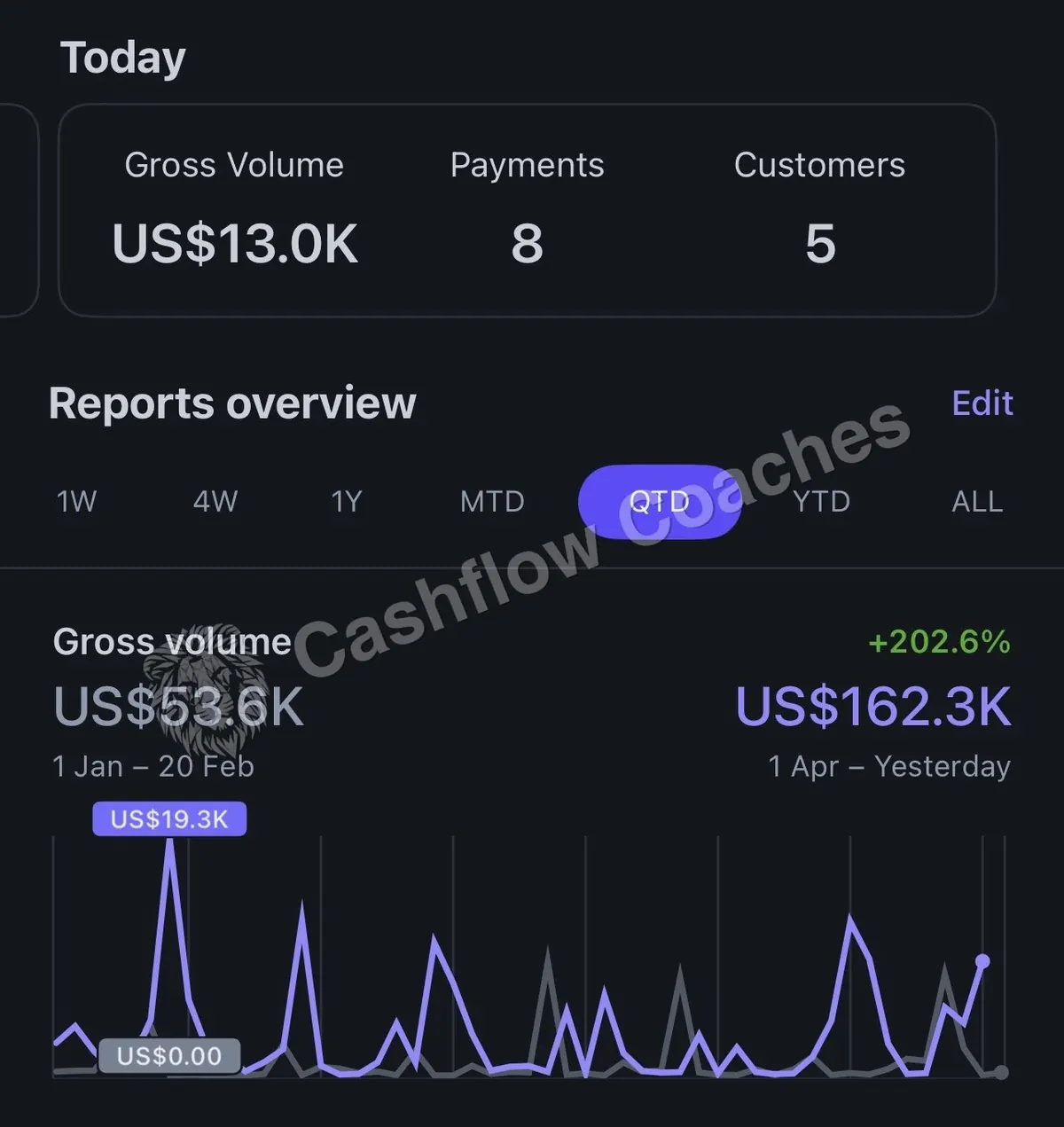 $53.6K to $162.3KQuarter on quarter, +202.6%
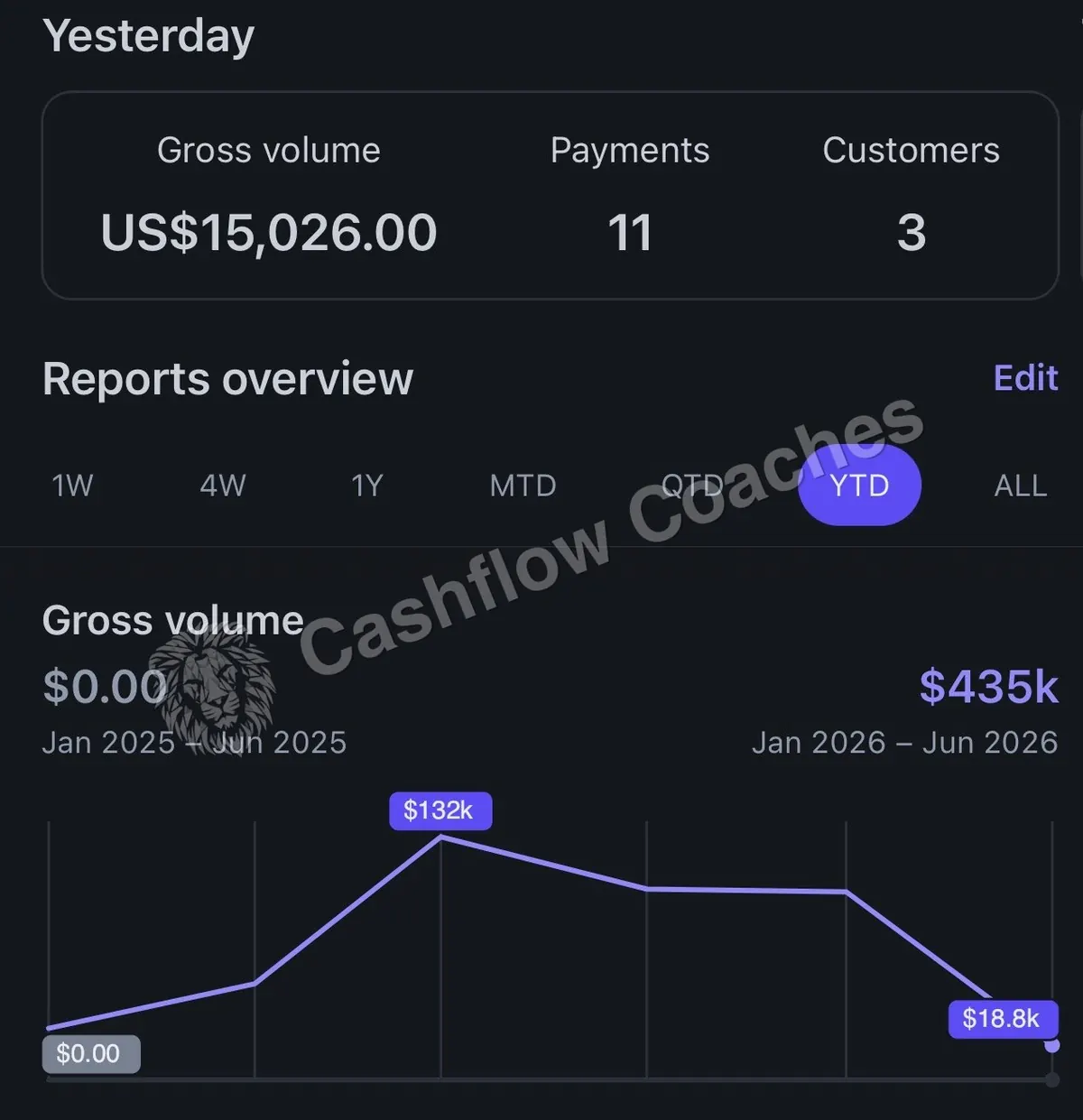 $0 to $435KA brand new account, year on year
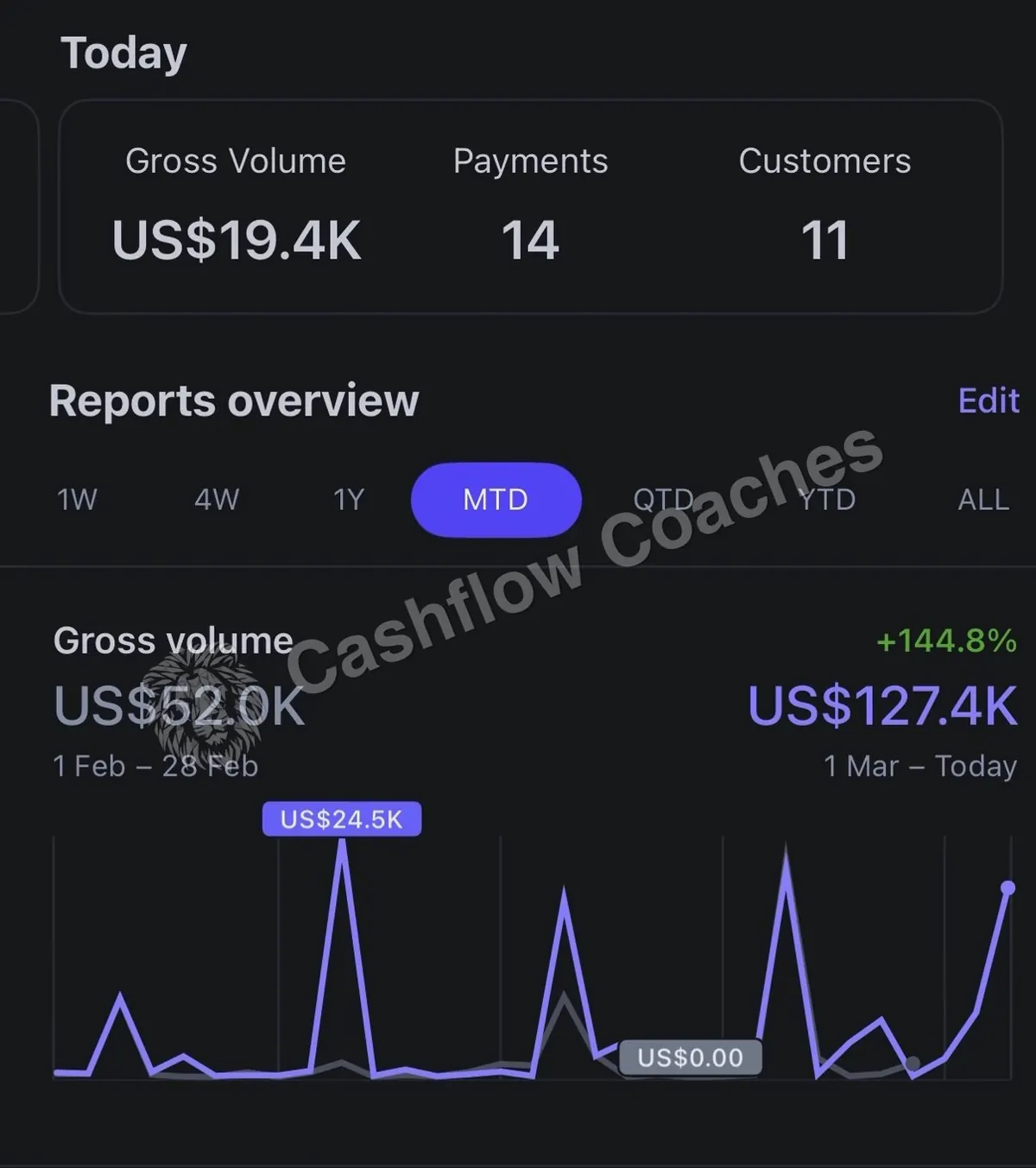 $52K to $127.4KMonth on month, +144.8%
Real screenshots from our clients and our stories. Not typical.
2Where is your ceiling?
Count only hours you can spend on client work, not sales, admin or marketing. Priya, a made-up consultant, is filled in.
A ceiling, not a forecast. Filling it still takes clients.
3What moves the ceiling the most?
Each row starts from your numbers above.
Help hours count as delivery hours, and their cost is taken off.
A price rise is the fastest to try, but it only lifts the ceiling by the same percent. Changes to how you deliver lift it far more, because they change how many clients fit in your week.
4Should you raise your price first?
Usually, yes. It costs nothing to test and it gives every other change more room. One client at $10,000 is easier to win and serve than ten at $1,000.
Price from what the result is worth to the client, not from your hours. Some operators take the extra value a year, times the chance it works, and charge about 10% of that up front. Put in one real client.
| Option | What it includes | Price |
|---|---|---|
| Core | The plan and the tools. They do the work. | $6,250 |
| Main offer | The plan, plus you guide them through it | $12,500 |
| Premium | Main offer plus more of you: direct access, extra sessions or done-for-you parts | $25,000 |
Core is half the main offer and premium is double, so the main offer looks like the smart pick.
Then raise it safely. Offer names and a price for each option are in the high ticket offer builder skill.
- New clients only. Keep current clients at their price until renewal, so you test without risking what you have.
- Small steps. Raise price 10% to 15% at a time and judge it over the next 30 sales calls. If the close rate holds, raise it again.
- Read the yeses. If almost everyone who hears the price says yes, you are below what the work is worth. Some pushback is healthy.
- Change how they pay, too. One consultant whose buyers would not pay a large fee up front switched to a monthly retainer with an exit option after month three, and closed more clients.
A higher price means fewer clients for the same revenue, so fewer sales calls and fewer hours of delivery.
5How do you cut hours per client?
Track one month of delivery. Write down every task and how long it took. Most consultants find that a big share of their hours repeat across clients.
- Answer once, send many times. Record a short video for every question three clients have asked you. Send the link instead of booking a call.
- Turn your first month into a checklist. The same audit, the same templates, the same first plan. A checklist turns a 6-hour task into 2.
- Shorten the standing call. A 60-minute weekly call becomes 30 minutes with a written update sent before it.
- Move feedback to written review. Clients send work in, you mark it up in a fixed slot each week.
Each of these cuts hours without cutting the result. If a change makes results worse, it costs you more in refunds and lost renewals than it saves.
6When should you move clients into groups or a product?
When most clients need the same thing in the same order. Then one session can serve six people as well as one, at a sixth of the hours per client.
One consultant wrote his planned course modules on a whiteboard, sent a photo to 15 to 20 existing clients, offered lifetime beta access at $3,000, and 10 bought before it was built. That is about $30,000 to fund the product.
A done-for-you service is easier to sell early than teaching, because buyers need less proof that you can do it than proof that you can teach it. So keep the done-for-you parts that buyers value most, and move the teaching parts into groups first.
Link the offers so each one leads to the next: free content, then a group program, then your 1:1 or done-for-you work. Results from the top tier become the proof that sells the bottom one. An offer that ends with no next step wastes the client you paid to win.
| Delivery model | Your hours per client a month | Clients in 130 hours |
|---|---|---|
| One to one, 8 hours each | 8 | 16 |
| Half 1:1, half in groups of 6 | 4.7 | 27 |
| Group program, 6 hours, 80% in groups of 10 | 1.7 | 77 |
| Product plus group calls, 3 hours, 90% in groups of 20 | 0.4 | 298 |
Worked out with the model above, not client numbers. Price usually drops as you move down the table.
See If You Qualify
Bring your ceiling and your goal from the capacity model. We will tell you what we would change first.
7When should you hire delivery help?
When you have written down how you deliver, and the steps work without you in the room. Hire before that and you add a person who asks you questions all day. Two rules of thumb other operators use for pricing a team:
- Aim for revenue of about 2.5 times your team's payroll, and assume the team works at about 65% of its hours. Ten people at $5,000 a month is $50,000 of payroll, so about $125,000 of revenue.
- Keep delivery at no more than 40% of what a project earns, which leaves a 60% margin.
Margins fall as people get added. One operator ran a people-heavy service at about 20% margins and an info product at about 80%, so a quarter of the revenue made the same profit. A product raises the ceiling and keeps the margin.
8What breaks once the ceiling is higher?
Operators who scale service businesses commonly report that below about $100,000 a month, the thing that breaks is getting clients. Systems break around $250,000, people around $500,000, and the founder around $1,000,000.
For most consultants, the next job is a steady flow of booked calls. If you are not sure that is your gap, find the exact bottleneck in your business first. Referrals can't be turned up on demand. A paid funnel can: at the $66 per booked call above, from Meta ads into a webinar, one $15,000 sale paid for the ads behind about 227 booked calls. Not typical.
Under $100,000 a month, run one avatar, one problem, one offer and one price. Every extra offer splits your sales calls and your delivery. Pick the one the model says scales, and sell only that.
Next reads: the 9 ways to get consulting clients, ranked by cost per client, what Meta ads really cost per booked call, and how a client acquisition system fits together. If you coach rather than consult, the same math is in how to scale a coaching business.
9Worked example: Priya hits her ceiling
Priya is a made-up operations consultant, not a client. She sells one-to-one work at $3,000 a month. Each client needs about 8 hours a month. She can deliver 30 hours a week.
| Line | The math | Result |
|---|---|---|
| Hours a month | 30 × 52 ÷ 12 | 130 |
| Most clients | 130 ÷ 8, rounded down | 16 |
| Revenue ceiling | 16 × $3,000 | $48,000 |
| Her goal | $100,000 ÷ $3,000 | 34 clients |
| Hours the goal needs | 34 × 8 = 272 a month | about 63 a week |
She can't work 63 hours a week, so she makes three changes over a quarter. She raises her price 15% to $3,450 on new clients. She turns her first-month audit into a checklist and cuts each client from 8 hours to 6. She moves half of those hours into a weekly group call of 6 clients.
- 8 hours per client
- 16 clients at most
- $369 per hour of hers
- 3.5 hours of hers per client
- 37 clients at most
- $982 per hour of hers
Made-up example. Her goal now fits, so her next job is finding 34 clients.
If your ceiling is already above your goal and clients are the gap, see if you qualify for a build that brings them.
10What to do this week
- Track every hour of client work for 7 days. Note the client and the task.
- Work out your real hours per client a month. Put it in the capacity model.
- Write down your ceiling and the hours a week your goal needs.
- Pick the task that repeats most across clients. Turn it into a checklist or a recorded answer.
- Work out one client's value in the price calculator. Raise your price 10% to 15% for the next new client and track the next 30 sales calls.
- List which parts of your work could be done in a group. Try one group session this month.
Find the exact bottleneck in your business
Frequently asked questions
How do you scale a consulting business?
Break the link between your hours and your revenue. Your ceiling is your hours a month divided by hours per client, times your price. To raise it, charge more, cut hours per client with checklists and recorded answers, deliver part of the work in groups, add a delivery team, or turn your method into a product. Then build a steady flow of new clients to fill the room.
How to scale a business model?
Find the part that grows only when you add your own time or money in the same amount, and change it. For a consulting business that is usually delivery hours. A model scales when revenue can grow faster than the hours and costs behind it, for example by serving clients in groups or selling a product.
What are the 5 C's of consulting?
There is no single official list. Different teachers and firms use different words for the five. For scaling, three numbers matter more than any list: the hours each client takes, the price, and how steadily you can get new clients.
Will AI eventually replace consultants?
Not the judgement clients pay for, as far as anyone can show today. It is already taking over parts of the work. Some operators report using AI to grade sales calls in place of a manager role. Consultants who use AI to cut their hours per client raise their own ceiling.
How do you start a consulting business?
Pick one type of client with one costly problem you have solved before. Sell one offer at one price, and get your first clients from people who already know your work. Track hours per client from day one, so you can see your ceiling before you hit it.
What is high ticket consulting?
Consulting sold at a high price per client, usually several thousand dollars or more, and usually on a sales call. A higher price means fewer clients for the same revenue, which means fewer hours and fewer sales calls.
When should a consultant hire help?
When your delivery steps are written down and work without you in the room, and your ceiling is close. Operators commonly aim for revenue of about 2.5 times team payroll, assuming the team works at about 65% of its hours.

$10M+ in client results. I run Cashflow Coaches, a done-for-you marketing, sales, operations and tracking agency. We handle everything from paid ads, funnels, webinars, VSLs and Skool communities to setters, closers, ops and tracking. Two-time Skool Games winner.
Bring your ceiling to the call.
We look at your offer, your price and your capacity, then map the client acquisition system that would fill the room. If you are not a fit, we tell you what to fix first.
Book your callKeep reading: How to get consulting clientsMeta ads costScale a coaching businessClient acquisition systemClient acquisition cost calculatorROAS calculatorClient acquisition for coachesCase study: $66 per booked callFind your bottleneck (quiz)
Priya is a made-up example. Her numbers show how the math works and are not a client result. The capacity model gives a ceiling, not a forecast, and assumes you can find enough clients. Benchmarks on this page are other operators' reports. They are not Cashflow Coaches results and not a promise. Every real result on this page is a past result from a specific client. None of them is typical.