
What is BANT in sales?
BANT is a checklist for qualifying a sales lead. It asks four questions about the buyer before you spend time on a sales call.
It is short, easy to teach and easy to put on a form. That is why it is still the first thing most sales teams learn.
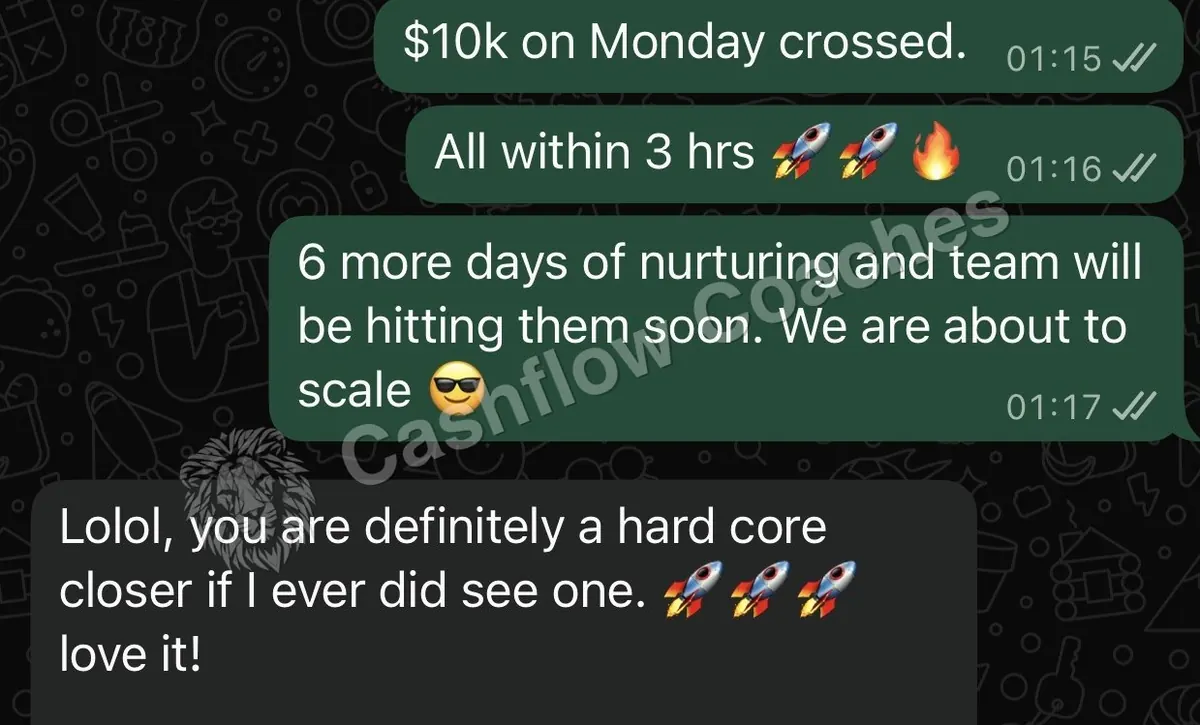 $10K in 3 hoursA client's closer, Monday morning
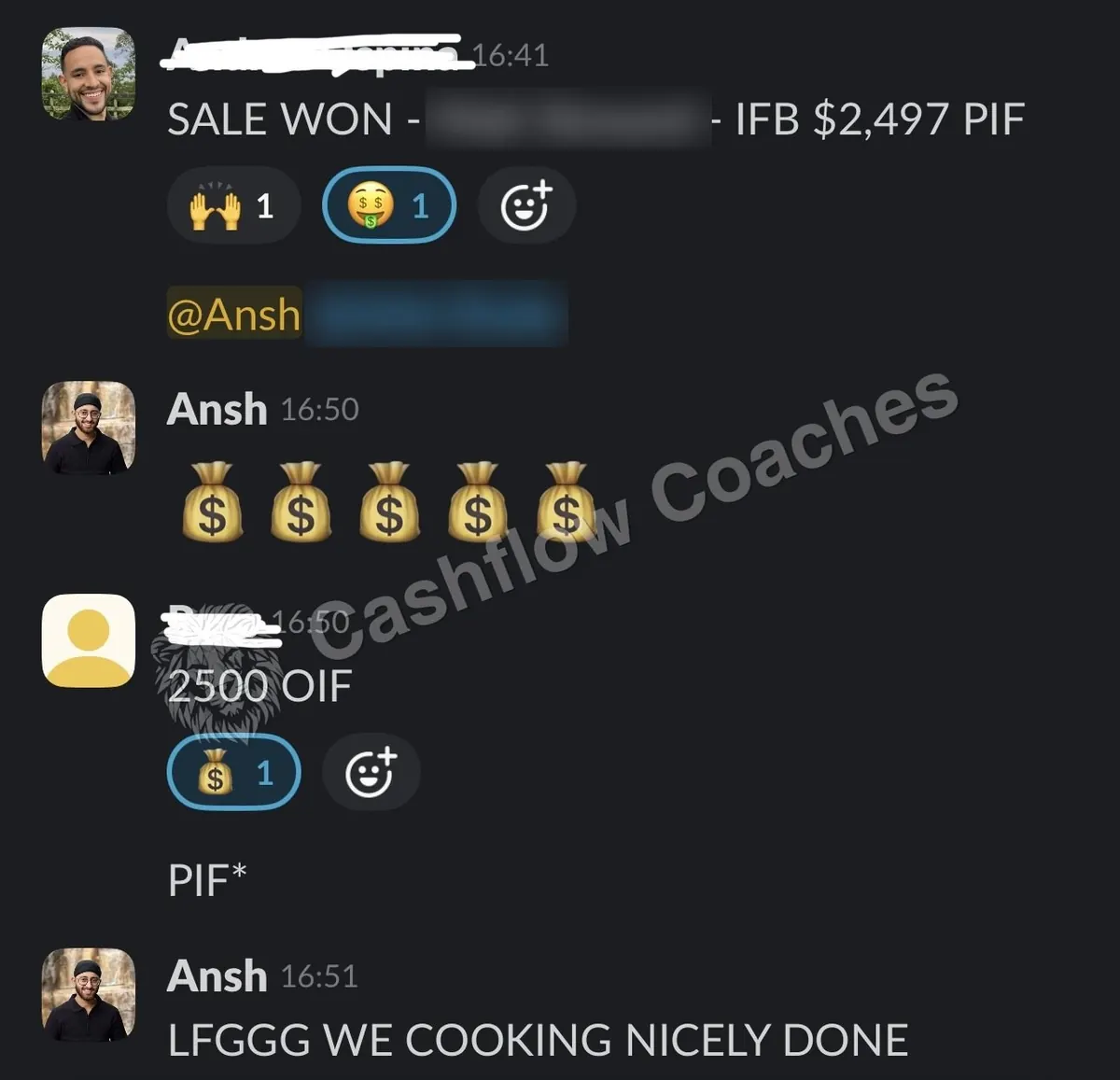 $2,497 paid in full"Sale won" in the team channel
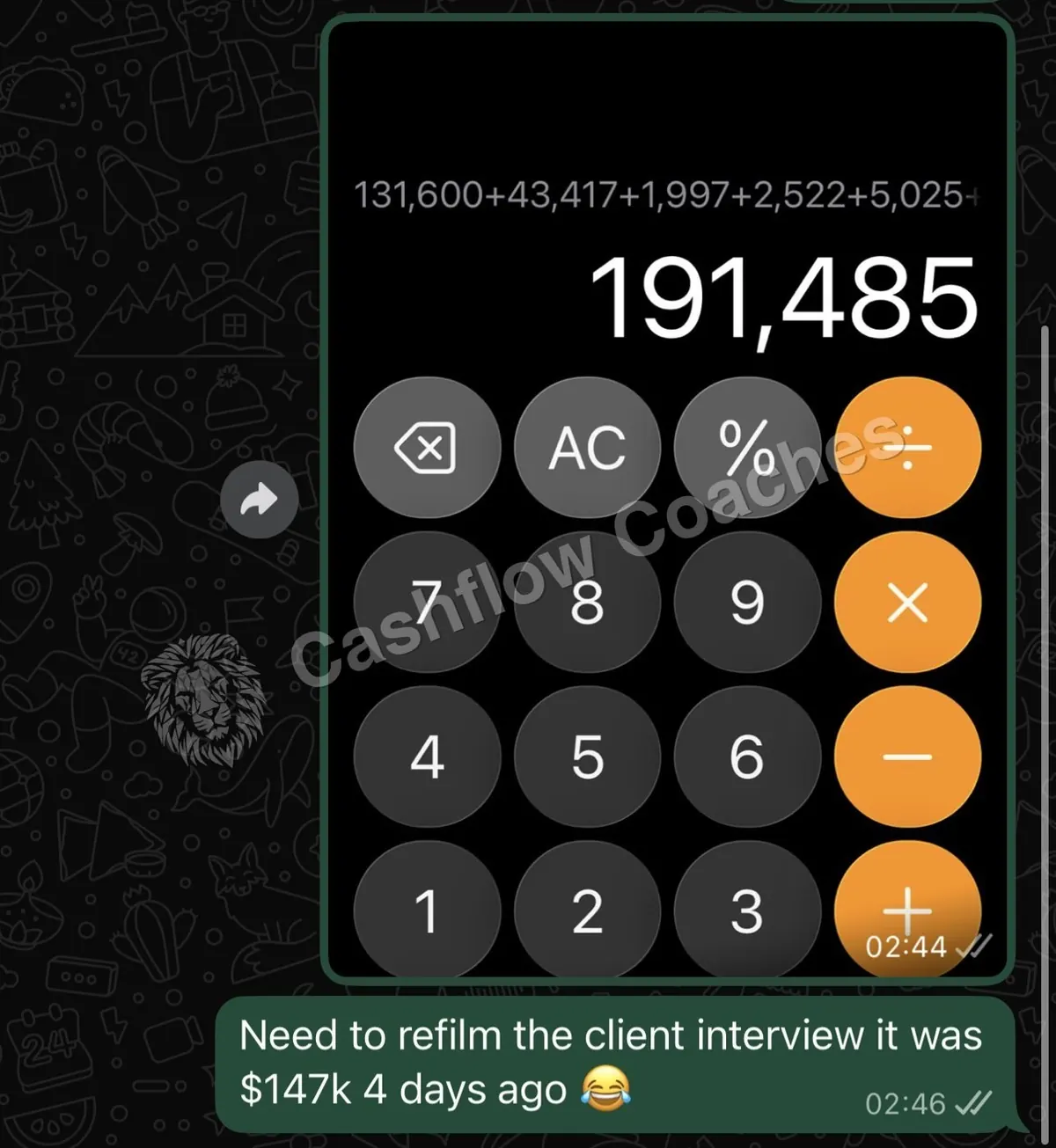 $191,485 for the month$147K of it in 4 days
Real screenshots from our clients and our stories. Not typical.
What does MEDDIC stand for?
MEDDIC is a longer checklist built for big company deals, where several people sign off and the sale takes months. It has six parts.
| Letter | Stands for | The question it answers |
|---|---|---|
| M | Metrics | What number will change if they buy, and by how much? |
| E | Economic buyer | Who controls the money? |
| D | Decision criteria | What will they judge you on? |
| D | Decision process | What steps and approvals happen before a yes? |
| I | Identify pain | What problem is costing them, and what does it cost? |
| C | Champion | Who inside wants this and will push for it? |
MEDDPICC adds two more: paper process (contracts, legal, procurement) and competition. You only need them when a legal team reads your contract.
What is the difference between BANT and MEDDIC?
BANT asks if someone can buy. MEDDIC asks how a company will buy and why. Which one you need depends on who signs.
| BANT | MEDDIC | |
|---|---|---|
| Best for | One decision maker, a sale in one or two calls | Committees, sales that take months |
| Who uses it | Setters, applications, first calls | Account teams on large deals |
| Time to run | Two to five minutes | Built up over several meetings |
| Strength | Fast, simple, works on a form | Finds the real buyer and the real reason |
| Weak spot | Treats budget as fixed | Too heavy for a $10K coaching sale |
| Fits a coach or expert offer? | Partly | Two parts: metrics and pain |
For coaches, consultants and service firms selling $3K to $50K offers, take BANT and add the two best parts of MEDDIC: metrics and pain.
How do you qualify a lead with BANT and MEDDIC?
Grade every lead before it reaches a closer's calendar. Answer from the application or the setter's notes.
Ask this next
Change the weights once you have 50 or more graded leads and know which answers really close.
See If You Qualify
Bring a week of applications. We'll grade them with you and show where qualified calls are leaking.
Is BANT outdated?
As a strict gate, yes, for most high ticket offers. As a checklist, no. Three problems show up when coaches and experts use it word for word.
Budget gets created on the call
Your prospect did not set aside $12,000 for coaching last quarter. Nobody does. Budget appears when the plan is clear and the gap is big enough. If you cut everyone who has no budget today, you cut most of your future clients.
Ask how they would fund it instead. People who say they have nothing saved and no plan to find the money almost never close. People with a plan, even a payment plan, do.
People lie about income
Most applicants admit they would lie on an income question. So a "monthly revenue" dropdown is a weak gate on its own. Back it with a question that shows the real stage, such as what they sell, to whom, and how many clients they have now. Ask for the numbers again on the call.
Hard qualifying kills discovery
Many operators warn against hard qualifying during discovery, because prospects simply agree they are not a fit. Run the qualifying on the form and the setter call. On the sales call, run a clean discovery call and save the money talk for the end.
How do you score leads 1 to 4?
Most call funnels grade every application 1 to 4 and route it by grade:
| Grade | What it means | Where it goes |
|---|---|---|
| 1 | Spam, wrong market, or no way to pay | Cancel the call. Polite email, then your list. |
| 2 | Unsure. Some answers fit, some do not. | A setter calls to fill the gaps, then books or declines. |
| 3 | Qualified | Straight to a closer. |
| 4 | Ideal client profile | Your best closer, first open slot. |
Four rules make the grades work.
- Open the application with a yes or no identity question. "Are you a coach doing over $20K a month who wants more booked calls?" People who answer no to this question almost never become clients. It also teaches your ad account who not to find.
- Expect most leads to grade low. One funnel operators often cite graded only 16% of applicants as a 3 or 4. That is normal. Do not lower the bar to fill calendars.
- Base grade 2 rules on data. Track which grade 2 leads close after a setter call. Move the line when the numbers say so, never on gut feel.
- Keep the funnel moving. About 3 to 5% of ad clicks should become qualified booked calls. If grading leaves you far below that, the problem is your ads or your page, not your filter.
One B2B client of ours, Blake Mathews, ran ads into a webinar, then a booking flow that sent only qualified people to the sales team. Booked calls on that $15,000 offer cost $66 each. Results are not typical. The full build of the form is on our application funnel page.
What BANT questions should you ask?
Ask them in plain words, in this order, near the end of a setter call. Each one has a softer version that people answer honestly.
NEED AND PAIN
"What made you look at this now?"
"What happens if the next six months look like the last six?"

METRICS
"What did you bring in each of the last three months?"
"What number would make the next 12 months a win?"

AUTHORITY
"Is there anyone else who would want a say in a decision like this?"
If yes: "Let's get them on the call so they hear it first hand."

BUDGET
"The program runs between [low] and [high] depending on the plan. If it's the right fit, how would you fund it?"

TIMELINE
"If we found the right plan on the call, when would you want to start?"
For the full setter call around these questions, see the appointment setter script. Where this sits in the bigger picture is on our sales process page.
BANT example: grading three leads
Morgan is made up. She sells a $15,000 consulting program to agency owners. Three applications arrive on a Monday.
| Lead | What the form says | Grade | What Morgan does |
|---|---|---|---|
| Alex | Agency at $60K a month, wants $150K. Decides alone. Has the cash. Wants to start now. | 4 | Her best closer, tomorrow morning. |
| Bea | Agency at $25K a month. Partner co-owns it. Would need a payment plan. Start "in a few months". | 2 | A setter call. Partner joins the sales call or it does not get booked. |
| Cal | Freelancer, not an agency. No revenue given. "Just curious." | 1 | Polite no, free training link, email list. |
Before grading, all three would have taken an hour of closer time. Now one hour goes to Alex, 15 setter minutes go to Bea, and Cal costs nothing. Bea is where most of the money hides. Half of Morgan's grade 2s turn into 3s after a good setter call.
Qualifying gets the right people on the call. What they say once they are there is covered in objection handling and high ticket sales. If you are unsure qualification is your problem at all, find the exact bottleneck in your business.
Want the application, the grading rules and the routing built for your offer? Get the application funnel builder skill for Claude.
Find the exact bottleneck in your business
Frequently asked questions
What does BANT stand for in sales?
BANT stands for budget, authority, need and timeline. It is a checklist for qualifying a sales lead: can they pay, can they decide, do they have a problem you solve, and when do they want it solved.
What is BANT in lead qualification?
It is the set of four questions a setter, form or rep uses to decide whether a lead deserves a sales call. Leads that pass go to a closer. Leads that fail get declined or nurtured.
Is BANT outdated?
As a strict gate it is, for most high ticket offers, because budget is usually found on the call once the plan is clear. As a checklist it still works. Ask how they would fund it rather than whether they have the budget.
What is the difference between BANT and MEDDIC?
BANT checks whether one person can buy. MEDDIC maps how a company buys: metrics, economic buyer, decision criteria, decision process, pain and a champion. BANT suits one or two call sales. MEDDIC suits long deals with several people signing.
Is MEDDIC outdated?
No, for large company deals it is still widely used. For a coach or consultant selling to one owner it is too heavy. Keep two parts of it, metrics and pain, and add them to BANT.
What is MEDDPICC?
MEDDPICC is MEDDIC with two extra parts: paper process, meaning contracts, legal and procurement, and competition. It matters when a legal or buying team reviews your deal.
What is lead scoring?
Lead scoring gives each lead a grade from its answers so you know who to call first. A simple version grades applications 1 to 4: cancel the 1s, send 2s to a setter, 3s to a closer and 4s to your best closer.
What are BANT qualified leads?
Leads that pass all four checks: they can fund it, they can decide, they have a real need and they want to start soon. In high ticket sales, a lead that passes three of four often still deserves a setter call.

$10M+ in client results. I run Cashflow Coaches, a done-for-you marketing, sales, operations and tracking agency. We handle everything from paid ads, funnels, webinars, VSLs and Skool communities to setters, closers, ops and tracking. Two-time Skool Games winner.
Morgan and her leads are a made-up example and not a client result. Benchmarks on this page come from other operators. They are not Cashflow Coaches results and not a promise. The case study linked on this page is a past result from a specific client and is not typical.